Outlet
Search Engine Land
Visit website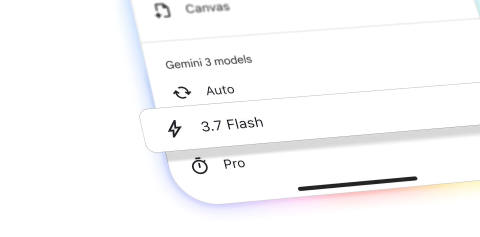
Google is rolling out its latest Gemini 3.7 Flash AI model to Search's AI Mode today for paid Pro and Ultra subscribers globally in English.

Google documented that Merchant Center for Agencies can now link up to 1,000 client accounts, clarifying a previously unspecified limit.

Google will automatically migrate legacy Search campaign features to AI Max starting September 1, with Dynamic Search Ads following in February 2027.
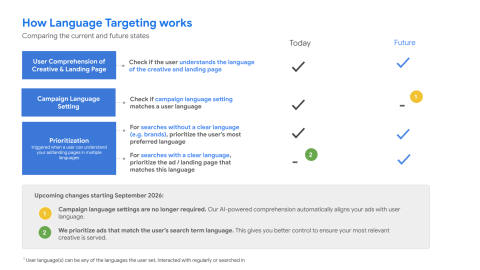
Google is removing the campaign-level language targeting setting from Search and AI Max for Search campaigns in late September, replacing it with automated language matching based on ad language and user signals.

Shopify has seen AI referrals jump 197%, but organic search still drives the majority of ecommerce traffic.
Effective link building requires looking beyond individual links to broader strategic considerations.
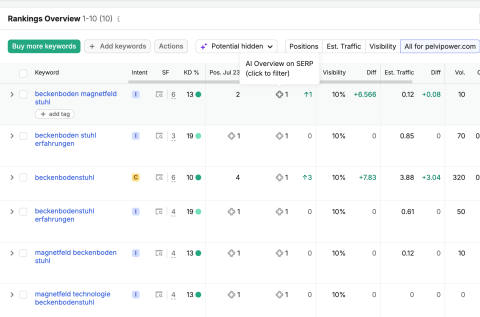
B2B organic traffic can rank well but fail to drive actual customer consideration, requiring a strategic rethink beyond click metrics.
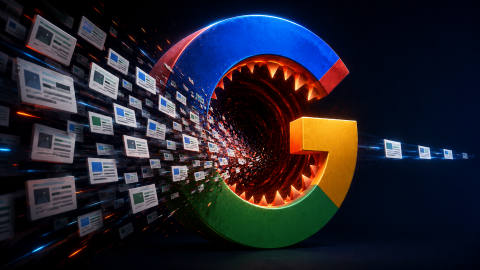
A new study reveals AI sources drive just 1.1% of traffic to news publishers, suggesting minimal direct impact from AI traffic sources at present.

Search Engine Land argues that recent SEO visibility gains attributed to AI are largely the result of brands paying off accumulated technical debt rather than benefiting from new opportunities.
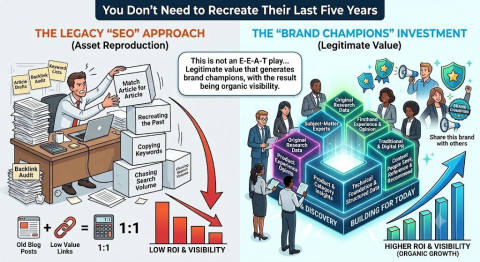
Market volatility from SEO uncertainty can help challenger brands outrank established competitors and reclaim lost organic visibility.

A judge has allowed a lawsuit alleging SEO sabotage through toxic backlinks to move forward, setting potential legal precedent for the industry.

Google has updated ad requirements for YouTube and Discover Feed placements.

Google has updated Merchant Center to include cross-platform reporting features for e-commerce sellers.
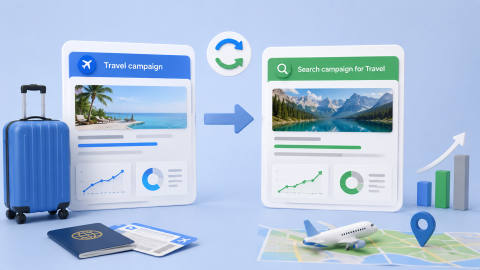
Google is consolidating Travel campaigns into its standard Search campaigns format.
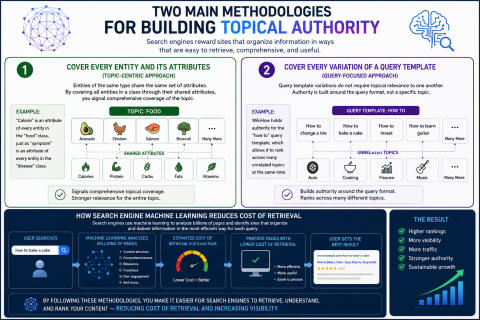
Query templates help expand topical authority by systematically covering related search queries within a subject area.
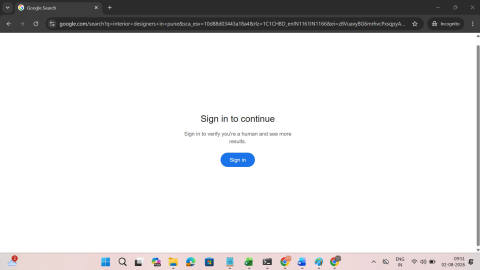
Google is testing a sign-in requirement for searchers to access additional search results, a move that could reshape how users discover and interact with organic content.
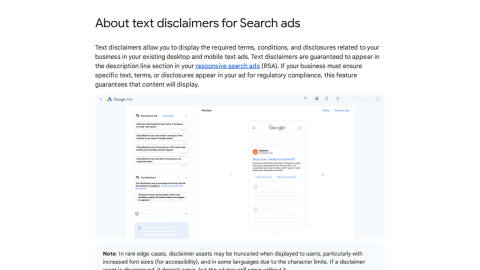
Search Engine Land reports that Google has published official guidance on how to format and use text disclaimers effectively in Search ads.
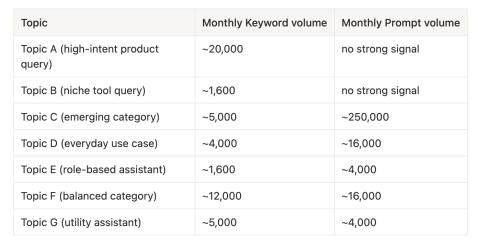
Search Engine Land explores how combining traditional keyword research with prompt research can improve content topic prioritization and planning.
Search Engine Land offers best practices for geo-optimized SEO strategies aimed at teams accountable to revenue targets.
Google Analytics now includes a campaign diagnostics tool to help users troubleshoot missing aggregate identifiers in their data.
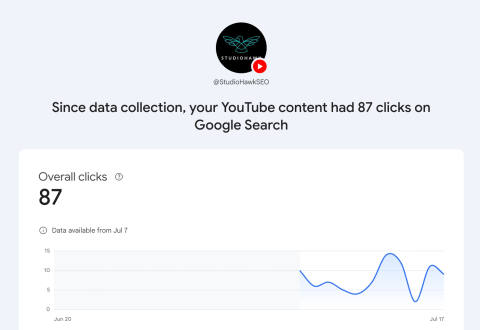
Google Search Console's new Platform properties feature lets SEO teams see exactly how YouTube, Instagram, and TikTok content ranks in Google Search—often unexpectedly well.
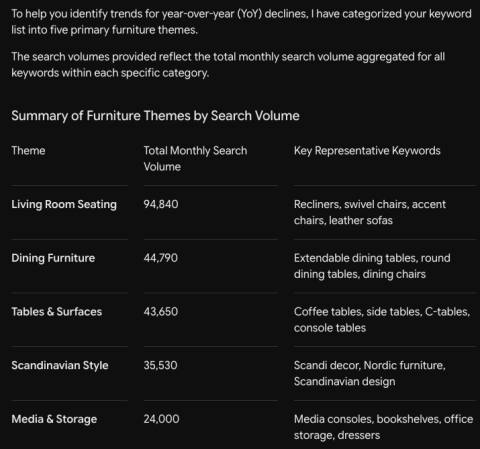
Human-written SEO content outperforms pure AI content by up to 8x in ranking potential, as Google's systems increasingly reward originality over scaled output.

Search Engine Land reports that AI-driven digital experiences are raising accessibility concerns that could impact organic visibility and user reach.

A new study by geoSurge found that AI models search for familiar brands 3.2 times more often than unfamiliar ones, potentially creating an unfair advantage for established names.
Google is extending its AI-generated description experiment from Search ads to Shopping and Product ads, raising questions about advertiser control and campaign performance.
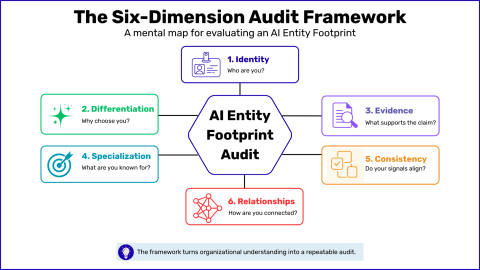
Search Engine Land outlines how to audit your AI entity footprint—the collective digital signals that shape how AI systems understand your business.

Google clarified review snippet structured data guidelines to explicitly prohibit fake reviews and those with undisclosed incentives.
Search Engine Land argues that a passive SEO approach leaves you vulnerable to competitor outranking and organic traffic loss.
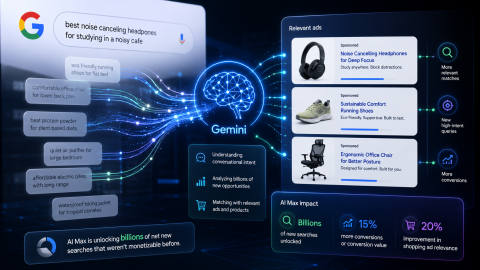
Google's AI Max is now live with 500,000+ advertisers and is turning complex, previously unmonetized searches into ad inventory through improved intent matching.
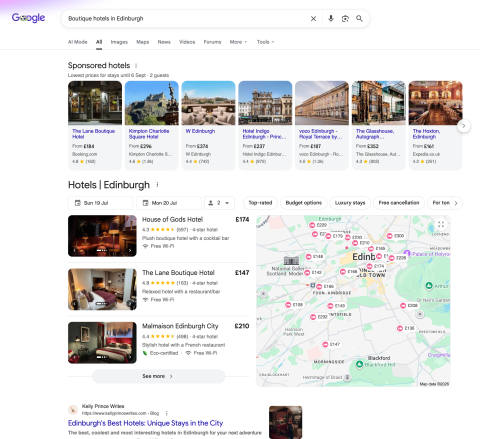
Travel SEO success depends on feed management, entity optimization, and modular content rather than traditional ranking tactics because Google's travel SERPs are dominated by its own tools, not organic listings.

A court ruled against Google on key Digital Millennium Copyright Act claims in its lawsuit against SerpApi, the scraping tool.
Search Engine Land examines whether topical authority remains a critical ranking factor as AI transforms search results.

Publishing more content doesn't guarantee better SEO results; instead, focus on quality, indexing, crawl budget, and strategic content pruning.

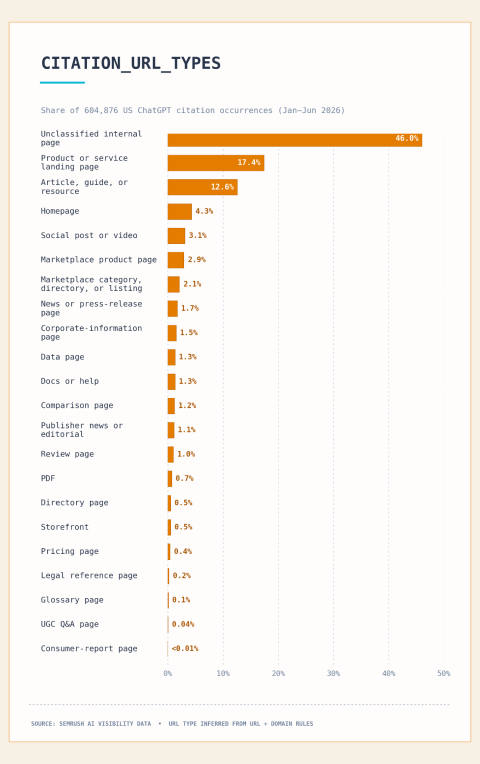
Semrush found only 15% of ChatGPT topic categories have clear brand owners, and traditional SEO metrics poorly predict which brands dominate AI search results.

Google deployed its new Gemini 3.5 Flash-Lite model in Google Search to power faster agentic search experiences and AI features.

Search Engine Land outlines how bloggers must prioritize content clarity to remain competitive as AI search reshapes SEO in 2026.
Google has removed the $50,000 lifetime ad spend requirement to access Lead Form assets, opening the feature to far more advertisers while adding Zapier integration and expanding geographic availability.
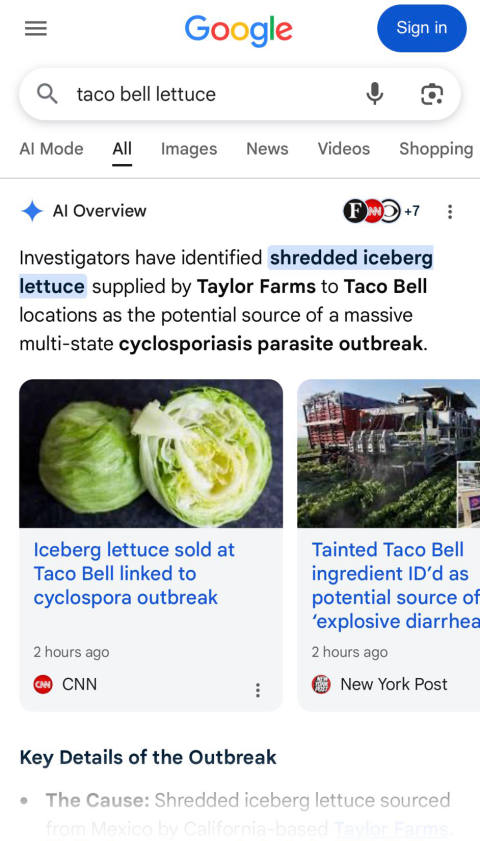
Google has fully launched news carousels and top stories within AI Overviews on mobile in the U.S., fulfilling a May commitment to highlight timely content and boost publisher visibility.

Google's SVP Nick Fox claims AI Search features alone send billions of clicks weekly, contradicting widespread reports of declining organic traffic.

Google is rolling out app integrations in AI Mode, letting users complete shopping, design, and music tasks directly within Search results.

The EU has mandated that Google share search data with competitors beginning in 2027, a significant regulatory intervention into search market practices.
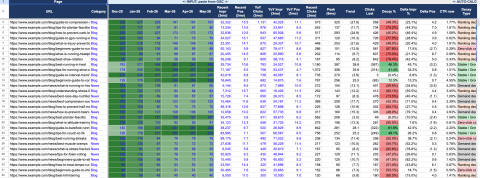
Search Engine Land breaks down four distinct types of content decay, including a new AI-driven cause, with a data-driven diagnostic method using Google Search Console.
Google's Job Indexing API only confirms notification receipt—not crawling, indexing, or rankings—and approval timelines have become unreliable.

Web Push advertising is maturing into a steadier, compliance-focused market with ~2.88% projected growth through 2030 as stricter policies eliminate low-quality players.

Google's AI Mode ads are now displayed on close to 30% of all search queries, reflecting the company's expanding push to integrate AI-generated content into search results.

Google citations in AI Mode search results surged 8.4x in two months, driven by Business Profiles and Product Knowledge Panels appearing inline in answers.
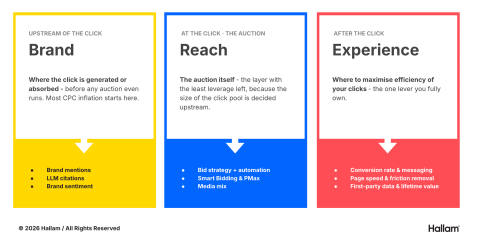
Search Engine Land argues that rising CPCs are driven more by shrinking organic clicks and AI competition before auctions begin than by auction dynamics alone.
Per Search Engine Land, TikTok's recommendation engine is increasingly becoming the initial discovery point for customers, while Google shifts from discovery channel to decision validator.