Filter topics
Google's May 2026 core update, which rolled out May 21, caused significant ranking volatility across multiple verticals and geographies, exceeding the impact of March's update.
AI Overviews now appear in roughly 43–48% of Google searches, climbing sharply from 15% a year earlier, with informational queries seeing even higher adoption.
The EU fined Google €890 million ($1B) for self-preferencing its own services in Search results and restricting app steering on Google Play, with 60 days to comply or face penalties up to 5% of global turnover.

Major publishers including USA Today, Politico, Reuters, and others are seriously considering blocking Google Search entirely as traffic from the search engine continues to decline.
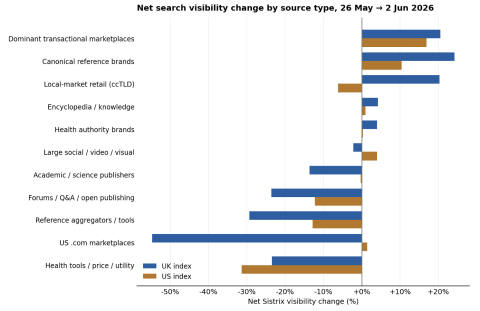
Aleyda Solis's analysis of the May 2026 Core Update reveals that Google prioritized source type fit and user intent over raw authority, causing significant visibility swings across reference brands, forums, ecommerce, and marketplaces.

Google has launched its August 2026 spam update globally, expected to roll out over several days across all languages.
Google Search Console's performance reports are showing widespread drops in impressions and clicks starting mid-August, likely due to a bug.
Major publishers are considering blocking Google Search over declining traffic value while the EU fined Google $1B for DMA violations.

Google is restructuring search to mimic creator platforms, prioritizing influence and guided discovery over traditional rankings and clicks.

The EU has mandated that Google share search data with competitors beginning in 2027, a significant regulatory intervention into search market practices.
Google has announced its June 2026 spam update with an expected rollout period of a few days.
Google's May 2026 broad core update has finished rolling out in less than 12 days and appears larger than the March update.

Google is rolling out a Search Console toggle that lets website owners opt out of AI Overviews and AI Mode, starting with UK testing.
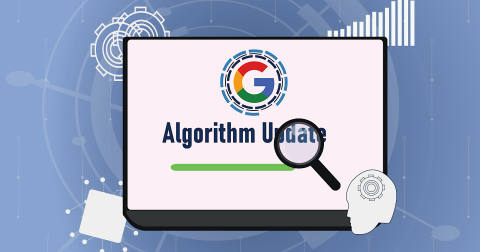
Google has initiated its March 2026 core update, with a rollout period expected to span up to two weeks.
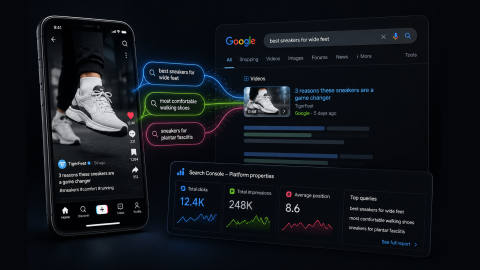
Google Search Console now lets brands verify social and video accounts to track search clicks, impressions, and queries—starting immediately with no historical backfill.
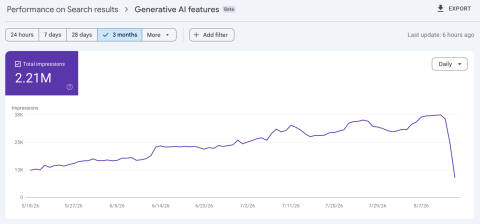
Google confirmed a logging bug in Search Console's Generative AI in Search performance report causing artificially low impression counts since August 13.
Google's research demonstrates that large language models struggle to recall facts when questions reverse the typical subject/object entity order.

Apple has expanded Applebot's infrastructure with over 4,600 new IP addresses to support crawling for Siri and Apple Intelligence.

SEOFOMO News reports that OpenAI's documentation suggests ChatGPT's Fetch Bot may not be bound by robots.txt restrictions, despite evidence of it accessing blocked sites.

Google is now rolling out AI-generated images within its AI Overviews search feature as announced previously.
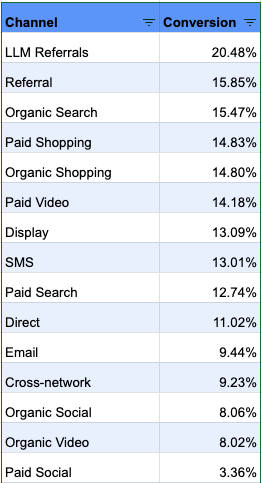
LLM-driven traffic converts at 20%—61% higher than paid search—but requires fundamentally different landing page design and conversion strategies because AI pre-qualifies users before they click.

Google has started rolling out AI-generated images in its AI Overviews search feature, expanding beyond text-based summaries.

Shopify has seen AI referrals jump 197%, but organic search still drives the majority of ecommerce traffic.
Google's updated crawl budget guidance now recommends using 304 status codes for unchanged pages to help Googlebot allocate resources more efficiently.
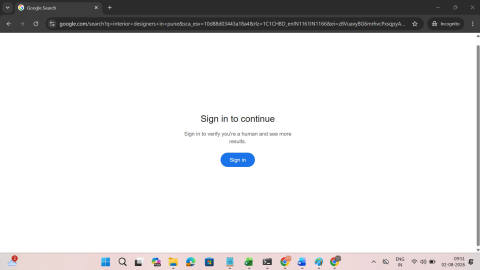
Google is testing a sign-in requirement for searchers to access additional search results, a move that could reshape how users discover and interact with organic content.

SERoundtable reports noticeable ranking volatility between August 1–3, driven by an unconfirmed Google Search update that has SEOs observing widespread SERP shuffling and traffic fluctuations.
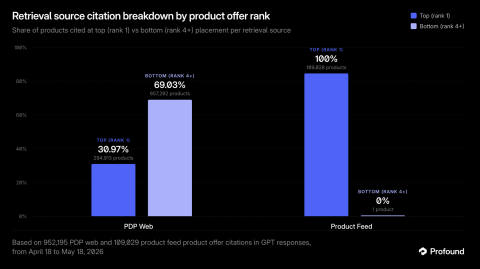
Search Engine Land explains why optimizing product feeds matters more than individual product pages for AI-driven shopping results.

A new study by geoSurge found that AI models search for familiar brands 3.2 times more often than unfamiliar ones, potentially creating an unfair advantage for established names.
Data from Similarweb and Semrush shows AI Overviews now display on 43–48% of Google searches, with Google expanding AI features across shopping ads, related searches, and Discover.
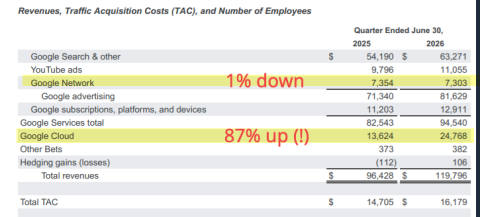
Google is shifting search from an information engine to an agent-driven system, with Gemini Flash-Lite powering improved AI Overviews and upcoming integrations with shopping and app functionality.
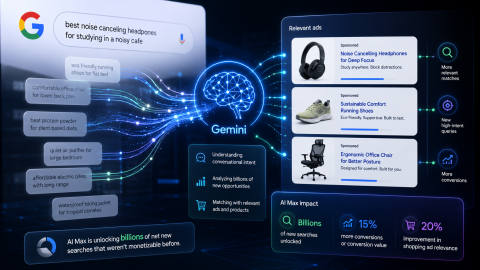
Google's AI Max is now live with 500,000+ advertisers and is turning complex, previously unmonetized searches into ad inventory through improved intent matching.
Google has begun rolling out its Gemini 3.5 Flash-Lite model in Search to power faster agentic search experiences and conversational query understanding.
A federal judge dismissed Google's DMCA anti-circumvention lawsuit against SerpApi, ruling that publicly accessible search results and snippets are not copyrighted works Google can legally protect.

Google deployed its new Gemini 3.5 Flash-Lite model in Google Search to power faster agentic search experiences and AI features.

Search Engine Land analyzes how the framing of product categories influences which brands AI recommendation systems prioritize.

Google's AI Mode ads are now displayed on close to 30% of all search queries, reflecting the company's expanding push to integrate AI-generated content into search results.

Google citations in AI Mode search results surged 8.4x in two months, driven by Business Profiles and Product Knowledge Panels appearing inline in answers.
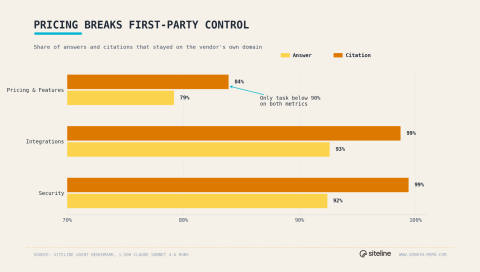
Most B2B sites let AI agents extract content, but pricing pages consistently fail—driving agents to third-party sources instead—because of opacity, poor machine-readability, or access friction.
Google revamped Image Search with a gallery layout, added AI image generation to AI Overviews, and is testing sponsored product hiding in Shopping results.

Google is rolling out AI image generation directly within AI Overviews, allowing users to create custom visuals from text prompts without leaving search results.
Google is rolling out image generation within AI Overviews using its Nano Banana model, potentially reducing clicks to publishers and Google Image Search.
Reddit's AI-generated translations have significantly declined in Google search visibility and AI search platforms following the May 2026 core update and June 2026 spam update.
Fraudulent DMCA takedown requests are successfully removing legitimate original content from Google Search, exploiting a weakness in Google's verification process.
Google Search Console now reports on pages' visibility in AI Overviews, AI Mode, and Discover AI features.
Traditional SEO metrics like rankings and clicks don't translate to AI search; brands must track visibility, recommendations, and citation accuracy instead.

Bing has improved its AI Performance Report with additional visibility metrics for search marketers.
Ahrefs identifies 10 major SEO trends for 2026, from query fan-out and AI search dominance to the declining effectiveness of pure informational content.
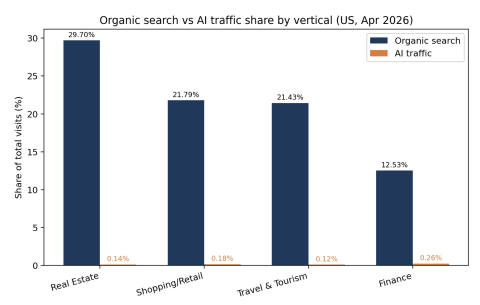
AI traffic remains tiny versus organic search, but AI citations reveal a distinct visibility layer that matters for discovery and evaluation—requiring separate measurement strategies.