Filter topics
Google's new AI optimization guidelines underscore that sound SEO practices remain the foundation for AI-generated content success.
Google published a new optimization guide to help creators ensure their content performs well in generative AI search experiences.

Google appears to be indexing content more selectively since March 2026, possibly prioritizing AI grounding over human-readable pages, requiring websites to focus on unique value and agent-readiness.
Google is expected to increase link placement within AI Overviews, signaling an evolution in how the feature will direct traffic.
GSQi Blog reports that Reddit's AI translation efforts are expanding globally and earning significant boosts in Google search rankings.

A new Google patent suggests the search giant may expand its direct-answer capabilities, potentially reducing traffic to publisher and ecommerce sites.
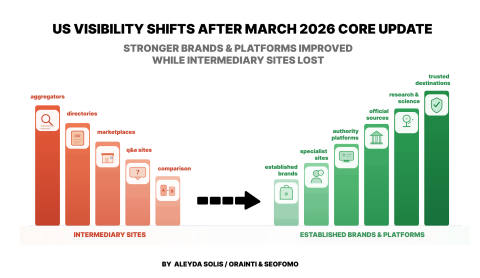
Aleyda Solis's analysis of Google's March 2026 core update reveals visibility consolidating around stronger destination brands, official sources, and dominant platforms at the expense of intermediaries and aggregators.
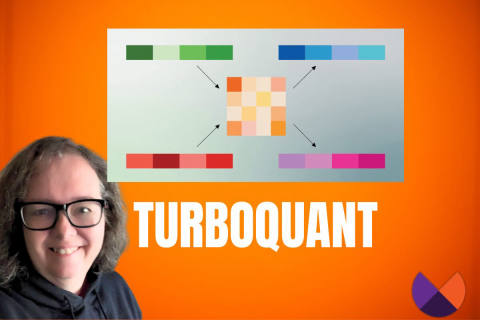
Google's new TurboQuant compression technique could eliminate the memory and processing barriers that currently limit vector search to only the top 20–30 results, potentially enabling massive-scale semantic ranking and more personalized AI Overviews.
Google has deployed its March 2026 spam update globally, expected to complete within days.

With AI platforms providing no official citation criteria, independent research is filling the gap to help marketers understand how to get featured in AI-generated answers.
Bing has added an AI Performance Report to its Webmaster Tools, marking the first tool of its kind to track AI-generated visibility metrics.
AI search engines struggle with international SEO due to semantic collapse, geo-drift, and hreflang limitations—Gianluca Fiorelli outlines the problems and solutions.

Google has rolled out its August 2026 spam update globally across all languages, with a multi-day rollout window.
Google amended its SerpApi lawsuit to focus on licensed content protection while expanding AI Overviews to local results and rolling out several Merchant Center updates.

Google's AI Overviews for local results are frequently citing self-promotional listicles as primary sources instead of directing users to actual business websites.

Google is rolling out structural changes to EU hotel search results, introducing a multi-provider Hotel Multi-Pack and direct hotel website module in response to Digital Markets Act compliance requirements.
Google deployed Gemini 3.5 Flash-Lite to Search, a court dismissed its scraping lawsuit against SerpApi, and Google Ads enforced new appeal deadlines and reorganized features.

Google's John Mueller clarifies that low-quality and AI-generated content often triggers reduced crawling and indexing, showing as 'crawled—currently not indexed' in Search Console.
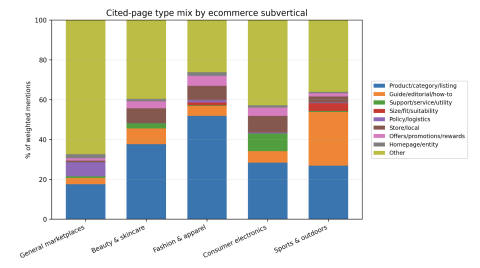
AI platforms cite and drive traffic to a broader range of ecommerce pages—guides, policies, reviews, and support content—not just product pages, reframing how brands should optimize for AI search.
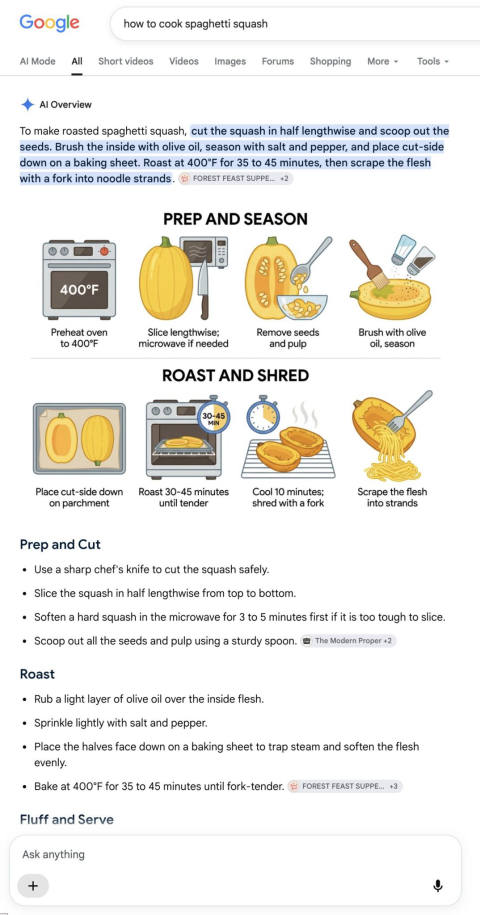
Google has scrapped a test that auto-generated AI images summarizing recipes in Search, after creators objected that it bypassed their original photography and content work.

Google will automatically migrate legacy Search campaign features to AI Max starting September 1, with Dynamic Search Ads following in February 2027.

Google's Googlebot declares itself as coming from Mountain View, California, but actually crawls from various data centers worldwide depending on regional needs.
Tracking tools detected a notable ranking volatility spike on August 12–13, though SERoundtable reports no confirmed Google algorithm update behind the movement.

A judge has allowed a lawsuit alleging SEO sabotage through toxic backlinks to move forward, setting potential legal precedent for the industry.

A federal judge has ruled that most of Reddit's DMCA lawsuit against Perplexity AI and other scrapers can proceed, even after Google faced a similar legal defeat.
Google Search and News tabs experienced a bug preventing the 'Recent' filter from working, which was confirmed and fixed within hours.
Multiple tracking tools detected a spike in Google search ranking volatility starting July 23–24, 2026, though Google has not officially confirmed an update.
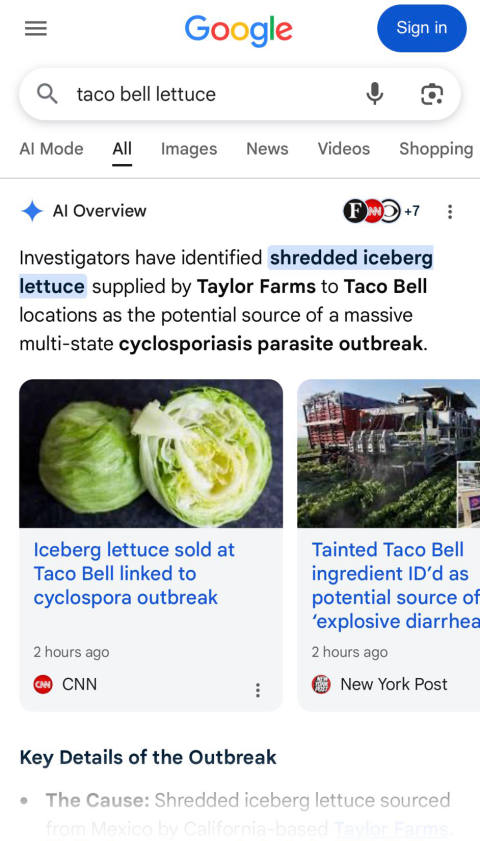
Google has fully launched news carousels and top stories within AI Overviews on mobile in the U.S., fulfilling a May commitment to highlight timely content and boost publisher visibility.
Per Search Engine Land, TikTok's recommendation engine is increasingly becoming the initial discovery point for customers, while Google shifts from discovery channel to decision validator.

Bing's product team stated that spam penalties are enforced algorithmically across multiple violators rather than as isolated, one-off takedowns because individual cases don't scale.
Google has finished rolling out its June 2026 spam update, which began on June 24 and completed on June 26.

Marie Haynes explores how Google's Open Knowledge Format (OKF) could shift SEO focus from search engine visibility to agent-accessible knowledge management, creating demand for new specialist roles.

Google Marketing Live 2026 highlighted how Gemini is reshaping Search, advertising, commerce, and measurement through conversational AI capabilities.

Google is rolling out information agents within Search that continuously monitor the web and track task updates for users.
Google is adding back button hijacking—a deceptive UX trick—to its explicit spam policies, opening sites that use it to manual or algorithmic penalties.
Anthropic disclosed details about its AI text watermarking system and the methods that can bypass it.

OpenAI is moving the Sources button from ChatGPT responses into a harder-to-find menu, reducing user visibility of source attribution.
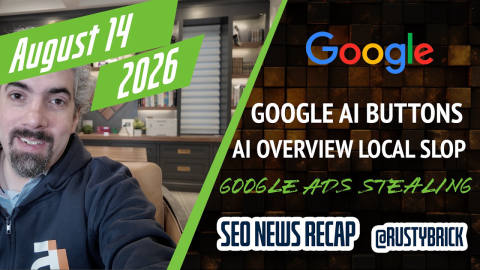
SERoundtable's weekly recap covers Google's AI home page tests, quality concerns in AI-powered local results, and Meta's web crawling activity that may signal a new search engine project.
Google experienced a notable ranking volatility spike over August 12–13, while OpenAI began hiding ChatGPT source links behind additional clicks.

A new study reveals AI sources drive just 1.1% of traffic to news publishers, suggesting minimal direct impact from AI traffic sources at present.
Misconfigured Cloudflare and CDN settings can accidentally block Google crawlers, causing sudden ranking drops and traffic loss.
Google has fully rolled out generative AI performance reports in Search Console and is testing new ad features including advertiser summaries and AI dashboard tools.
SERoundtable's daily recap flags a Google ranking volatility spike from August 1–3, new Bing and Google tools updates, and platform feature changes.
Google has removed the requirement to block internal search results from indexing, but continued blocking remains advisable to avoid server load and quality issues.
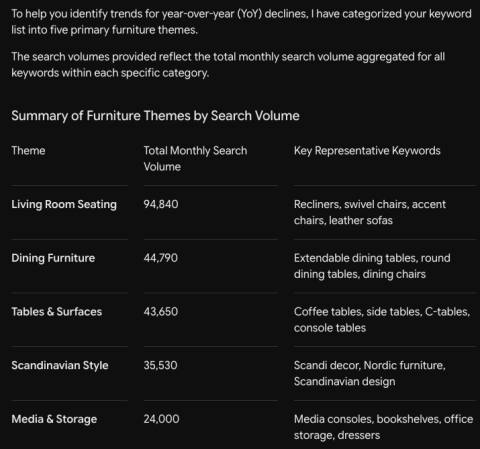
Human-written SEO content outperforms pure AI content by up to 8x in ranking potential, as Google's systems increasingly reward originality over scaled output.

Search Engine Land reports that AI-driven digital experiences are raising accessibility concerns that could impact organic visibility and user reach.
Google's Q2 2026 search ad revenue grew 14.5% to $81.6 billion, driven by AI Overviews and AI Mode adoption.

A court ruled against Google on key Digital Millennium Copyright Act claims in its lawsuit against SerpApi, the scraping tool.