Filter topics

RESONEO's analysis of 1,200 ChatGPT answers reveals three distinct retrieval layers—OpenAI's own index (labrador), cached Google results, and live-fetched pages—each with different staleness and citation rules.
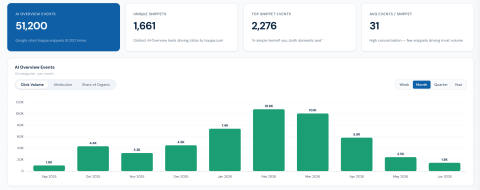
A nine-month analysis of 51,000+ AI Overview events reveals that 22.4% of that traffic is misattributed to Direct in GA4, AI Overview prominence is volatile, and Google favors structured, specific content.
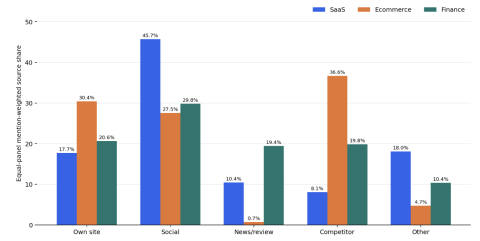
Aleyda Solis's analysis of 15 leading brands shows AI search relies on external sources for 70–82% of top citations, making digital PR and social presence as critical as owned-site content.
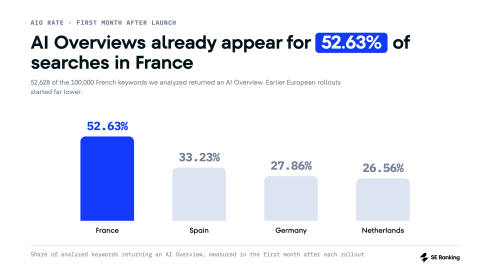
SE Ranking's analysis of 100,000 French searches shows AI Overviews appearing on over half of queries, with YouTube and Facebook among the top cited sources.

Google is restructuring search to mimic creator platforms, prioritizing influence and guided discovery over traditional rankings and clicks.
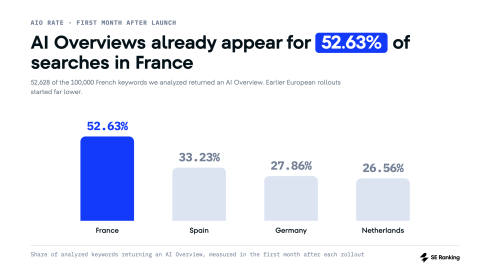
SEOFOMO News found AI Overviews appearing on over half of French search queries, with social platforms among the most-cited sources.
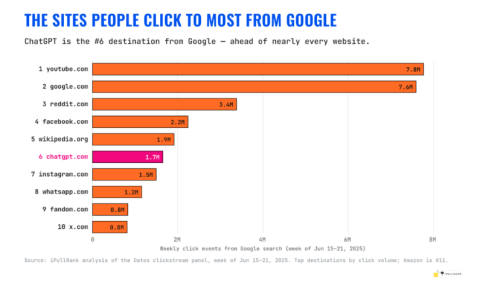
iPullRank's analysis of 13.1 billion searches shows ChatGPT receives more paid clicks from Google than any other top destination, suggesting paid search is becoming a key channel between Google and AI tools.
Fractl's analysis of AI model brand recall found that traditional SEO authority doesn't guarantee visibility in LLM answers—third-party coverage and category alignment matter more.
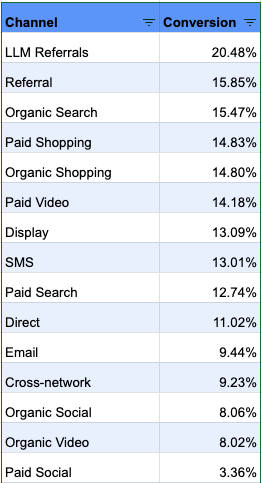
LLM-driven traffic converts at 20%—61% higher than paid search—but requires fundamentally different landing page design and conversion strategies because AI pre-qualifies users before they click.
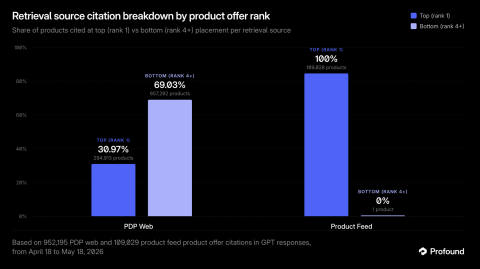
Search Engine Land explains why optimizing product feeds matters more than individual product pages for AI-driven shopping results.
Analysis of over 331,000 pages shows Google ranks AI-generated content successfully when quality is high, not based on AI origin alone.
Ahrefs analyzed 331,000 ranking pages and found that 5.3% of top-3 results are fully AI-generated, suggesting Google penalizes poor content quality regardless of origin, not AI use itself.
A landscaping-focused agency tested whether adding LocalBusiness schema markup boosts rankings in a controlled 10-week study across 29 clients and multiple search engines.
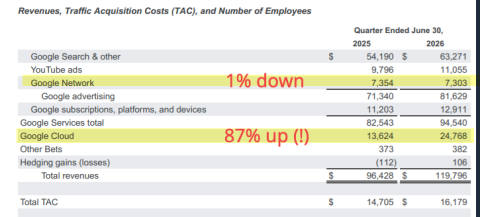
Google is shifting search from an information engine to an agent-driven system, with Gemini Flash-Lite powering improved AI Overviews and upcoming integrations with shopping and app functionality.

An audit of 71 Canadian businesses found that AI search systems can verify only 16% of business identity on average, due to technical and structural gaps most businesses can fix.

Search Engine Land analyzes how the framing of product categories influences which brands AI recommendation systems prioritize.
Moz released a dataset of 50,000 fan-out prompts across 1,000 subtopics, revealing that brand mentions cluster in entity and comparison queries, and that most fan-outs balance topical relevance with diversity.
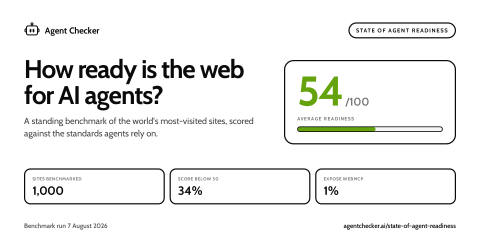
SEOFOMO News benchmarked 1,000 top websites on AI-agent readiness and found most are unprepared, with an average score of 54/100 and over a third falling below 50.
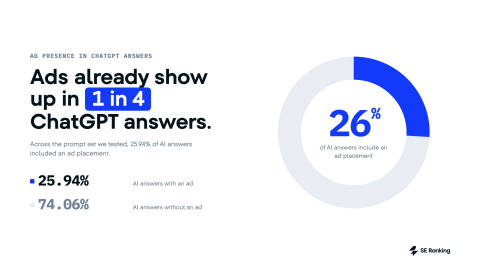
SE Ranking's analysis of 50,000+ prompts shows ChatGPT displays ads on roughly one in four commercial queries, with over 14% appearing for irrelevant topics.
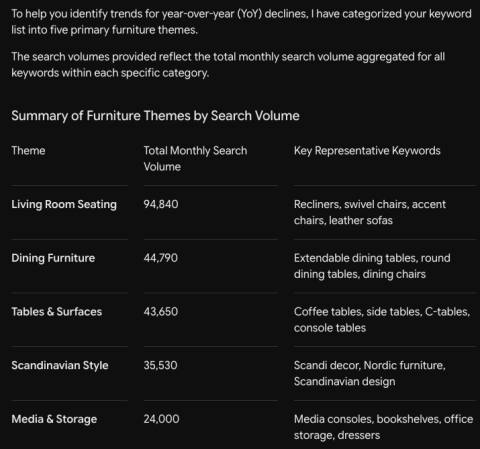
Human-written SEO content outperforms pure AI content by up to 8x in ranking potential, as Google's systems increasingly reward originality over scaled output.

Search Engine Land reports that AI-driven digital experiences are raising accessibility concerns that could impact organic visibility and user reach.
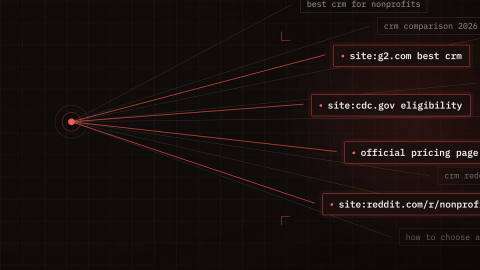
Recent research suggests ChatGPT prioritizes fan-out searches to already-trusted domains as a spam-reduction strategy.
SEOFOMO News reports that AI is increasingly taking on verification responsibilities in local search, shifting the burden away from consumers.
Research from Meltwater and LinkedIn analyzing 9.5 million citations found that individual profiles drive three-quarters of all LinkedIn citations in AI systems.

Google's Demand Gen campaigns are forcing PPC specialists to move beyond keyword-driven strategy and develop deeper creative, audience psychology, and full-journey measurement skills.
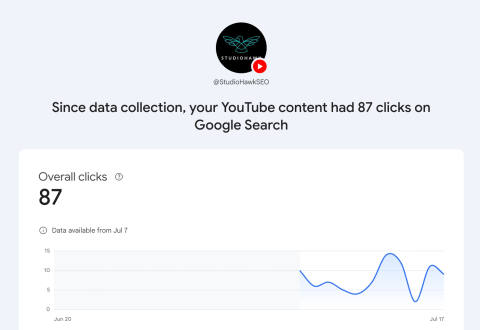
Google Search Console's new Platform properties feature lets SEO teams see exactly how YouTube, Instagram, and TikTok content ranks in Google Search—often unexpectedly well.

Anthropic's Claude watermark can verify AI authorship when present, but its absence doesn't prove content is human-written.
Google Ads Liaison Ginny Marvin argues advertisers must master fundamentals and align bidding strategies to business goals, not just react to platform automation changes.
Anthropic's Claude is watermarking AI-generated content, but Ahrefs' research suggests this won't meaningfully impact SEO since Google ranks AI content already.

Semrush found only 15% of ChatGPT topic categories have clear brand owners, and traditional SEO metrics poorly predict which brands dominate AI search results.
Alex Lieberman walks through his Claude-powered content system that uses AI personas, voice guides, and feedback loops to eliminate writer's block and scale consistent output.
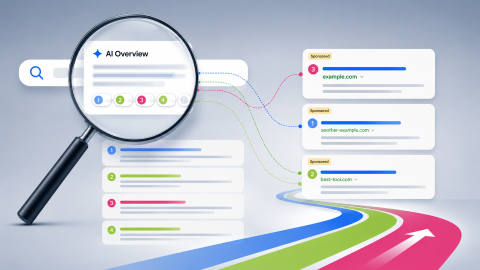
Search Engine Land examines how AI-powered visibility platforms are helping marketers understand PPC performance within broader competitive context.
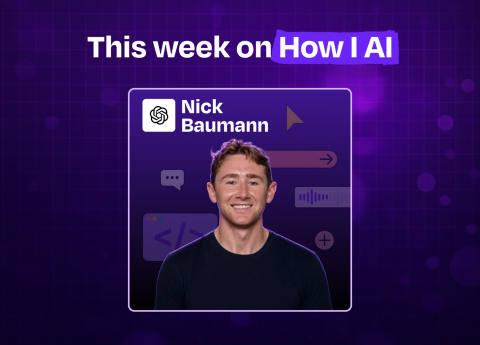
OpenAI's Nick Baumann walks through advanced ChatGPT Voice and Codex workflows for automating logistics, web publishing, and video editing on Lenny's Podcast Network.
Morning Brew founder Alex Lieberman shares a six-step Claude workflow that uses interview panels, voice encoding, and editorial loops to generate on-brand content without generic AI output.
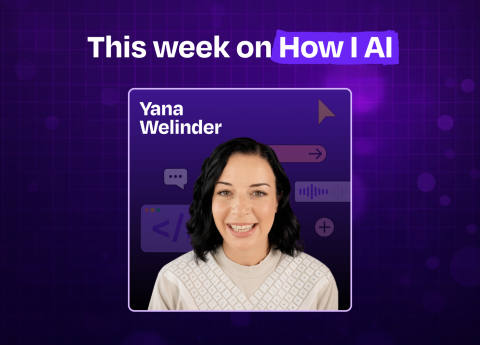
Lenny's Newsletter interviews a solo founder who used ChatGPT and Codex to build an AI-native fashion brand, covering design workflows, e-commerce setup, and AI-human collaboration patterns.
A solo fashion founder leveraged ChatGPT, Codex, and AI tools to design, prototype, and launch an e-commerce brand without hiring engineers.
Grace Clarke, an AI educator, rebuilt her service business entirely on custom Claude Code tools that automated admin work and replaced traditional software.
OpenAI Developer Experience lead Nick Baumann demonstrates ChatGPT Codex's latest voice, automation, and site-building features in a live podcast episode.
Anthropic's first technical PM discusses the product decisions and development practices that established Claude as a leading AI model.
Lenny's Newsletter profiles a builder who uses AI coding assistants like Cursor to prototype physical hardware projects without traditional programming knowledge.