Filter topics1/12
Anthropic's Claude is watermarking AI-generated content, but Ahrefs' research suggests this won't meaningfully impact SEO since Google ranks AI content already.

Google is rolling out AI-generated images directly in AI Overviews, prompting immediate criticism from content creators over replacement concerns.

SparkToro's founder argues that despite declining direct traffic, websites remain essential as owned-and-controlled hubs for content distribution, AI training, and brand positioning.

SEO professionals need to understand how LLM grounding—the distinction between static training data and real-time web retrieval—affects brand visibility in AI search results.
Effective link building requires looking beyond individual links to broader strategic considerations.
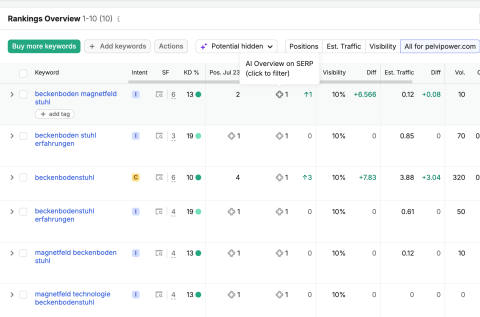
B2B organic traffic can rank well but fail to drive actual customer consideration, requiring a strategic rethink beyond click metrics.

Search Engine Land argues that recent SEO visibility gains attributed to AI are largely the result of brands paying off accumulated technical debt rather than benefiting from new opportunities.
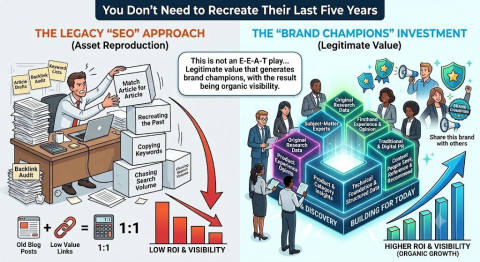
Market volatility from SEO uncertainty can help challenger brands outrank established competitors and reclaim lost organic visibility.

Google has reduced the minimum follower requirement for Search Profiles from 100,000 to 35,000 on YouTube, Instagram, and X, though TikTok remains at 100,000.

OpenAI is moving the ChatGPT sources button from a visible footer position to a hidden three-dot menu, potentially reducing click-through visibility to cited sources.

A judge has allowed a lawsuit alleging SEO sabotage through toxic backlinks to move forward, setting potential legal precedent for the industry.
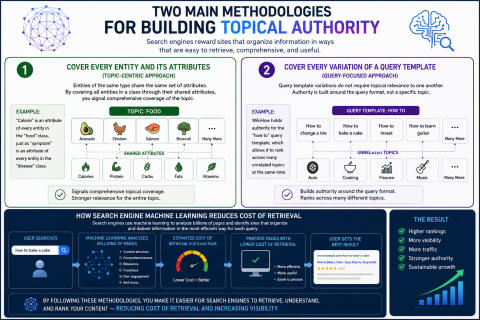
Query templates help expand topical authority by systematically covering related search queries within a subject area.
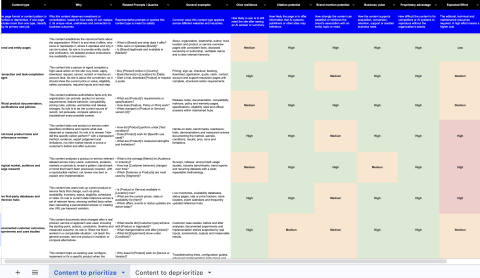
Aleyda Solis presents a content prioritization framework using six dimensions (click resilience, citation potential, brand mention potential, business value, proprietary advantage, and expected effort) to identify which content types remain valuable when AI can answer queries directly.
Moz released a dataset of 50,000 fan-out prompts across 1,000 subtopics, revealing that brand mentions cluster in entity and comparison queries, and that most fan-outs balance topical relevance with diversity.
Moz announced the first five speakers for MozCon London on November 13, 2026, with sessions covering AI search agents, topical content optimization, and agentic e-commerce.
Google is beta testing Handle Swapping, a feature that lets creators switch their Search Profile handle to any of their linked verified social media accounts.
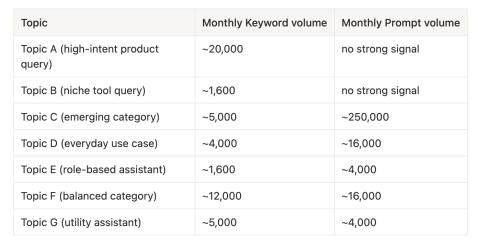
Search Engine Land explores how combining traditional keyword research with prompt research can improve content topic prioritization and planning.
Search Engine Land offers best practices for geo-optimized SEO strategies aimed at teams accountable to revenue targets.
Snapchat is removing wholly AI-generated videos from Spotlight recommendations while preserving human-created and AI-enhanced content.
LinkedIn is testing a feature letting users report posts and comments they believe are AI-generated, while removing its 'enhance your post' AI tool to combat inauthentic activity.
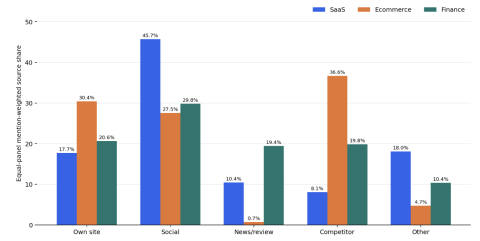
Aleyda Solis's analysis of 15 leading brands shows AI search relies on external sources for 70–82% of top citations, making digital PR and social presence as critical as owned-site content.
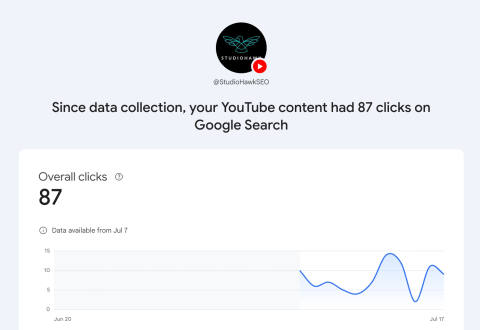
Google Search Console's new Platform properties feature lets SEO teams see exactly how YouTube, Instagram, and TikTok content ranks in Google Search—often unexpectedly well.
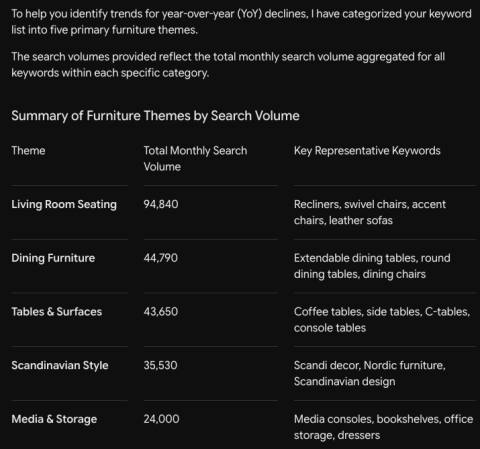
Human-written SEO content outperforms pure AI content by up to 8x in ranking potential, as Google's systems increasingly reward originality over scaled output.
Google has formally removed the requirement to block internal search results from its guidelines, but John Mueller advises continuing the practice to avoid server load and quality issues.

Search Engine Land reports that AI-driven digital experiences are raising accessibility concerns that could impact organic visibility and user reach.

A new study by geoSurge found that AI models search for familiar brands 3.2 times more often than unfamiliar ones, potentially creating an unfair advantage for established names.
AI Overviews now appear in roughly 43–48% of Google searches, climbing sharply from 15% a year earlier, with informational queries seeing even higher adoption.
Google is globally rolling out platform properties and launching a new guide to help creators understand how their social and video content performs in Search.
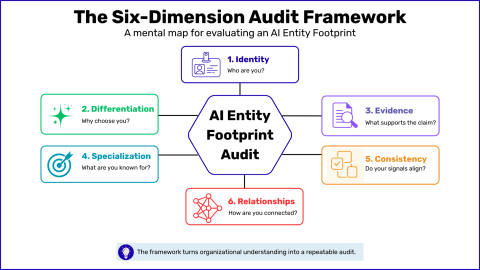
Search Engine Land outlines how to audit your AI entity footprint—the collective digital signals that shape how AI systems understand your business.

Google updated its review snippets structured data guidelines to explicitly prohibit fake reviews and undisclosed incentivized reviews in markup.
Ahrefs analyzed 331,000 ranking pages and found that 5.3% of top-3 results are fully AI-generated, suggesting Google penalizes poor content quality regardless of origin, not AI use itself.
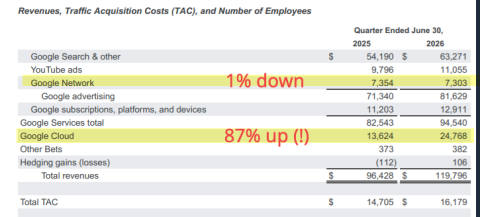
Google is shifting search from an information engine to an agent-driven system, with Gemini Flash-Lite powering improved AI Overviews and upcoming integrations with shopping and app functionality.

Google clarified review snippet structured data guidelines to explicitly prohibit fake reviews and those with undisclosed incentives.
Search Engine Land argues that a passive SEO approach leaves you vulnerable to competitor outranking and organic traffic loss.
As LLMs reshape search results, Moz breaks down four new SEO tactics—digital PR, barnacle SEO, and more—that prioritize third-party citations over traditional links.

Major publishers including USA Today, Politico, Reuters, and others are seriously considering blocking Google Search entirely as traffic from the search engine continues to decline.
Google is restructuring search to mimic creator platforms, prioritizing influence and guided discovery over traditional rankings and clicks.
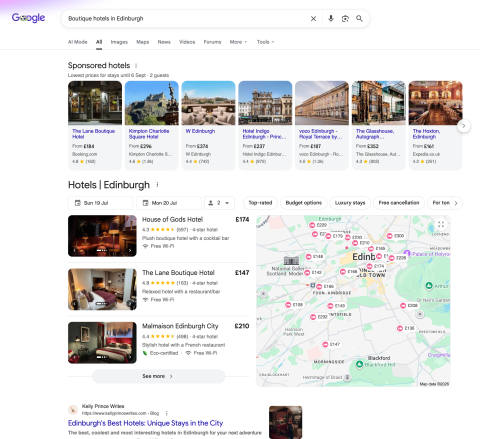
Travel SEO success depends on feed management, entity optimization, and modular content rather than traditional ranking tactics because Google's travel SERPs are dominated by its own tools, not organic listings.
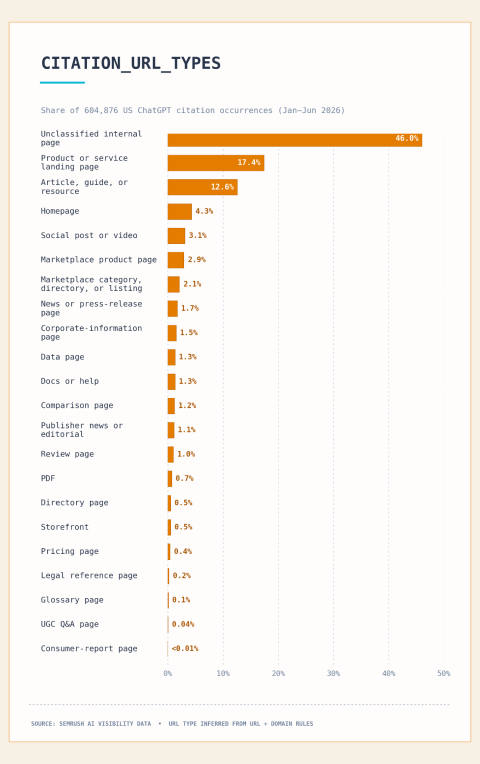
Search Engine Land examines whether topical authority remains a critical ranking factor as AI transforms search results.

Publishing more content doesn't guarantee better SEO results; instead, focus on quality, indexing, crawl budget, and strategic content pruning.

Google refreshed its crawl budget guidance to clarify that all sites start with the same conservative crawl capacity limit, which can expand automatically if demand and health metrics support it.

Search Engine Land outlines how bloggers must prioritize content clarity to remain competitive as AI search reshapes SEO in 2026.
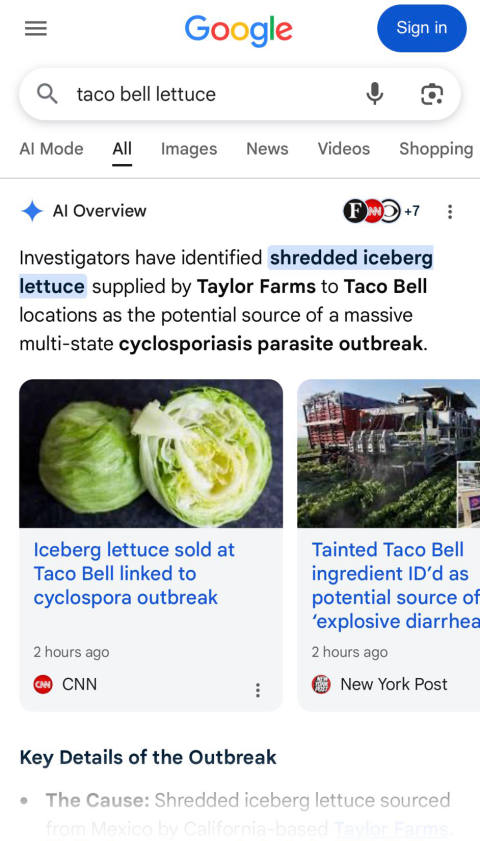
Google has fully launched news carousels and top stories within AI Overviews on mobile in the U.S., fulfilling a May commitment to highlight timely content and boost publisher visibility.
AI citation building—getting your brand mentioned in AI-generated responses—is becoming essential as ChatGPT and Gemini become discovery channels for buyer journeys.
Google skips indexing crawled pages mainly because they lack unique value; Marie Haynes shares insider tips from a Google event and a process to identify and fix commodity content issues.

Google is rolling out app integrations in AI Mode, letting users complete shopping, design, and music tasks directly within Search results.
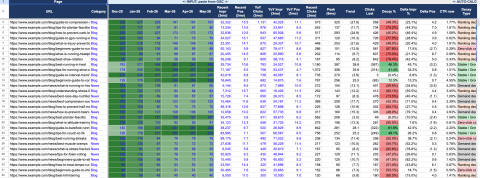
Search Engine Land breaks down four distinct types of content decay, including a new AI-driven cause, with a data-driven diagnostic method using Google Search Console.

Google's John Mueller clarifies that low-quality and AI-generated content often triggers reduced crawling and indexing, showing as 'crawled—currently not indexed' in Search Console.