Filter topics
Google's May 2026 core update, which rolled out May 21, caused significant ranking volatility across multiple verticals and geographies, exceeding the impact of March's update.
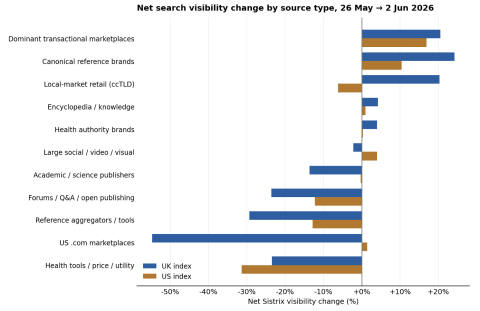
Aleyda Solis's analysis of the May 2026 Core Update reveals that Google prioritized source type fit and user intent over raw authority, causing significant visibility swings across reference brands, forums, ecommerce, and marketplaces.

Google is restructuring search to mimic creator platforms, prioritizing influence and guided discovery over traditional rankings and clicks.
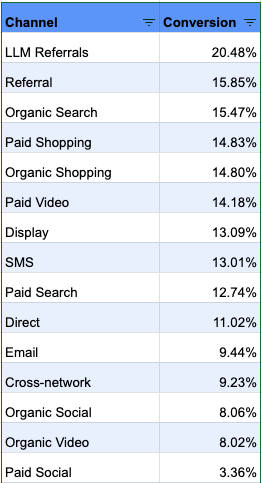
LLM-driven traffic converts at 20%—61% higher than paid search—but requires fundamentally different landing page design and conversion strategies because AI pre-qualifies users before they click.
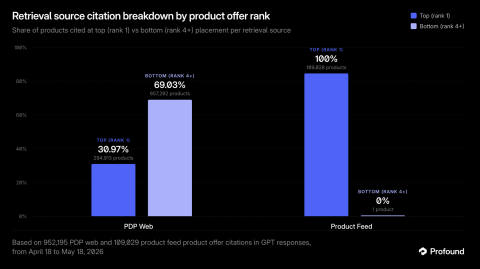
Search Engine Land explains why optimizing product feeds matters more than individual product pages for AI-driven shopping results.
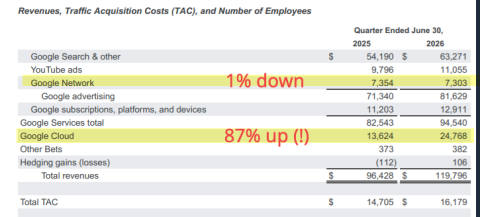
Google is shifting search from an information engine to an agent-driven system, with Gemini Flash-Lite powering improved AI Overviews and upcoming integrations with shopping and app functionality.

Search Engine Land analyzes how the framing of product categories influences which brands AI recommendation systems prioritize.
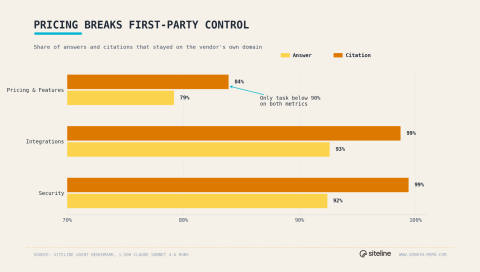
Most B2B sites let AI agents extract content, but pricing pages consistently fail—driving agents to third-party sources instead—because of opacity, poor machine-readability, or access friction.
Reddit's AI-generated translations have significantly declined in Google search visibility and AI search platforms following the May 2026 core update and June 2026 spam update.
Traditional SEO metrics like rankings and clicks don't translate to AI search; brands must track visibility, recommendations, and citation accuracy instead.
Ahrefs identifies 10 major SEO trends for 2026, from query fan-out and AI search dominance to the declining effectiveness of pure informational content.
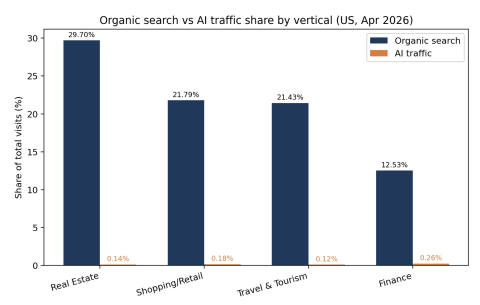
AI traffic remains tiny versus organic search, but AI citations reveal a distinct visibility layer that matters for discovery and evaluation—requiring separate measurement strategies.
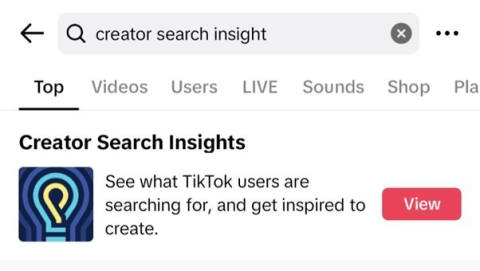
Per Search Engine Land, TikTok's recommendation engine is increasingly becoming the initial discovery point for customers, while Google shifts from discovery channel to decision validator.
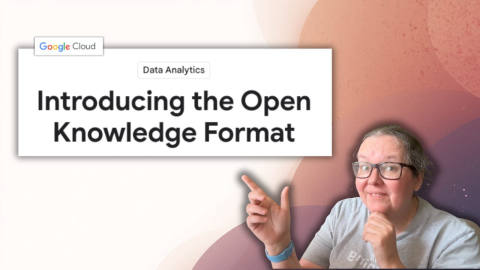
Marie Haynes explores how Google's Open Knowledge Format (OKF) could shift SEO focus from search engine visibility to agent-accessible knowledge management, creating demand for new specialist roles.
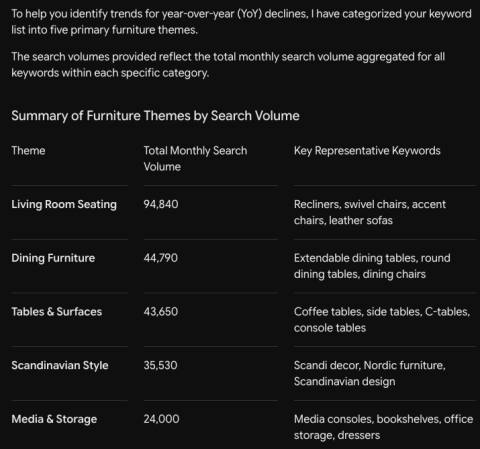
Human-written SEO content outperforms pure AI content by up to 8x in ranking potential, as Google's systems increasingly reward originality over scaled output.

Search Engine Land reports that AI-driven digital experiences are raising accessibility concerns that could impact organic visibility and user reach.
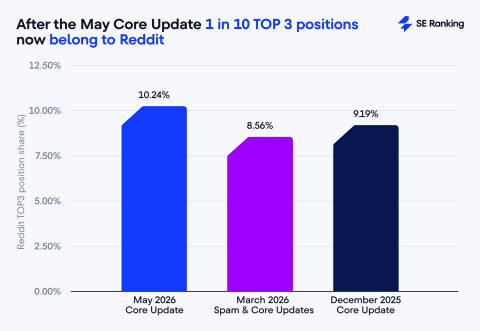
SE Ranking tracked 482 Reddit posts and found Reddit's presence in AI search answers is expanding, warranting inclusion in AI search visibility tactics.
Google's Job Indexing API only confirms notification receipt—not crawling, indexing, or rankings—and approval timelines have become unreliable.
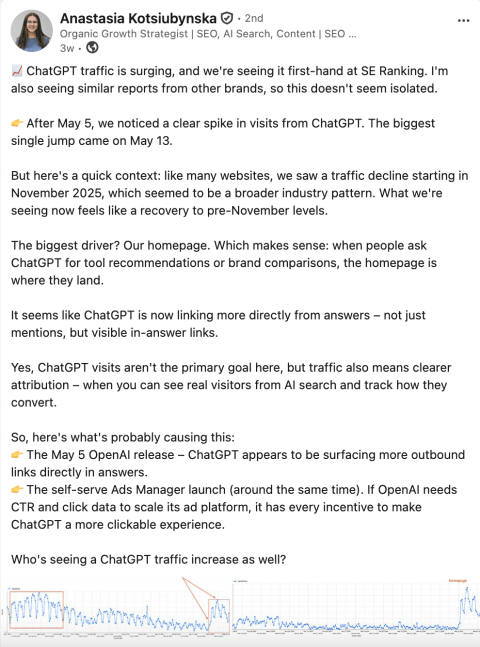
ChatGPT referral traffic reached an all-time high in May 2026, up 36.7% month-over-month across a dataset of over 100,000 websites.

GatherUp examines how agentic AI and Google's Personal Intelligence features could fragment local search visibility into individualized consumer 'swim lanes,' forcing marketers to rethink tracking and strategy.
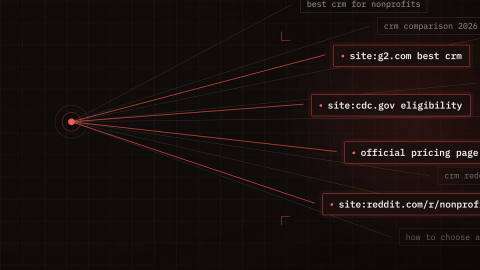
Recent research suggests ChatGPT prioritizes fan-out searches to already-trusted domains as a spam-reduction strategy.
SEOFOMO News reports that AI is increasingly taking on verification responsibilities in local search, shifting the burden away from consumers.

Google's Demand Gen campaigns are forcing PPC specialists to move beyond keyword-driven strategy and develop deeper creative, audience psychology, and full-journey measurement skills.
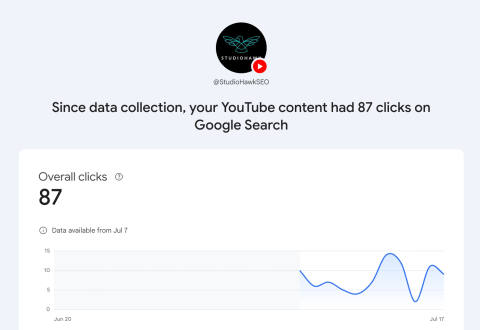
Google Search Console's new Platform properties feature lets SEO teams see exactly how YouTube, Instagram, and TikTok content ranks in Google Search—often unexpectedly well.
A YMYL site is being heavily cited by ChatGPT despite having zero visibility in Google organic search, suggesting AI models and search engines may be evaluating and ranking content differently.

Anthropic's Claude watermark can verify AI authorship when present, but its absence doesn't prove content is human-written.
Anthropic's Claude is watermarking AI-generated content, but Ahrefs' research suggests this won't meaningfully impact SEO since Google ranks AI content already.
Web Push advertising is maturing into a steadier, compliance-focused market with ~2.88% projected growth through 2030 as stricter policies eliminate low-quality players.
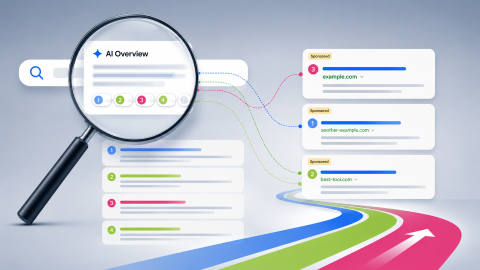
Search Engine Land examines how AI-powered visibility platforms are helping marketers understand PPC performance within broader competitive context.
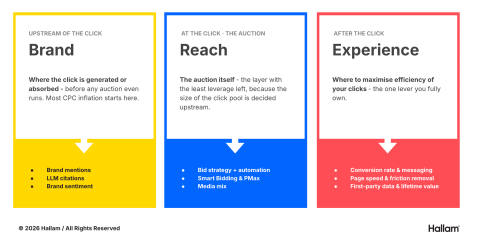
Search Engine Land argues that rising CPCs are driven more by shrinking organic clicks and AI competition before auctions begin than by auction dynamics alone.
Claire Vo benchmarked Sonnet 5 against GPT-5.5, Gemini 3 Pro, and other models across 64 blind tests using a custom evaluation framework she built live.

Open-weight models like GLM-5.2 are reaching production quality, challenging proprietary AI vendors' pricing power and vendor lock-in for development workflows.